
Gaël Kakuta has spent much of his career moving between expectation and reinvention, yet the French midfielder remains one of the most recognizable names in African and European football. Kakuta first drew global attention as a teenager at Lens, where his close control and daring movement suggested a player ready for the biggest stages. His move to Chelsea intensified that belief。but the path that followed was far less direct than many expected. Loan spells, injuries, changing managers and repeated transfers shaped a career built on flashes of brilliance rather than a single uninterrupted rise. Kakuta has rarely been an ordinary squad player. Even when his minutes were limited, supporters remembered the way he could receive the ball between lines, turn away from pressure and create an opening from almost nothing.At Chelsea, Kakuta entered a demanding environment filled with established internationals and little patience for inconsistency. His technical ability was never the central question. The challenge was finding a stable role in teams that changed quickly and competed for trophies every season. Kakuta moved through several loan destinations, including Fulham, Bolton Wanderers, Dijon, Vitesse and Lazio, gathering different lessons without securing a permanent platform. In one match he could look like the most inventive player on the pitch;in another。he disappeared for long stretches as tactical demands worked against his natural instincts. That uneven rhythm followed Kakuta into later chapters of his career, though it also made him adaptable. He learned to operate as a winger, an attacking midfielder and, at times, a deeper playmaker responsible for carrying the ball through congested areas.
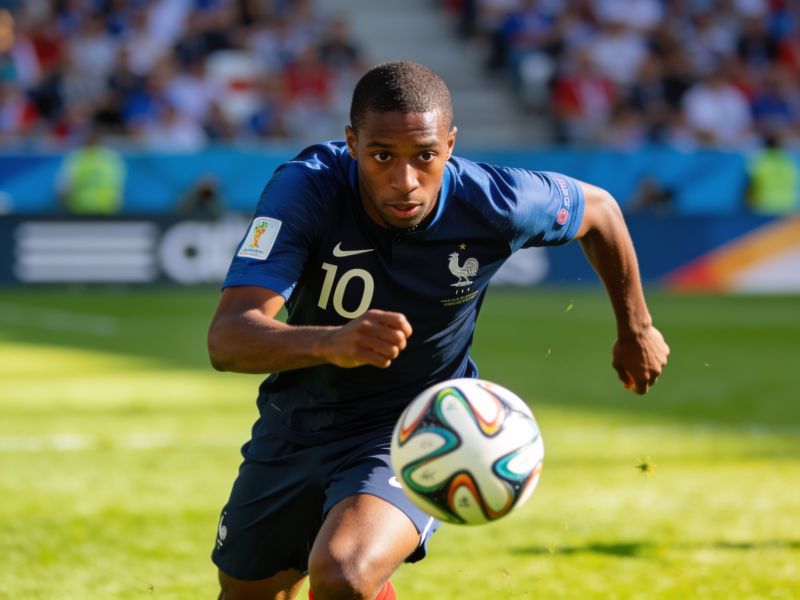
The most persuasive period of Kakuta’s career came at Amiens and later at Rayo Vallecano, where regular football gave his talent more room to breathe. At Rayo, Kakuta looked comfortable in a side that valued quick combinations and direct attacking transitions. His first touch created time。while his left foot offered a different angle from the wings. Kakuta was not simply waiting for a spectacular assist;
he often helped move the entire attack several yards forward. That contribution can be easy to miss in highlight clips. A short pass under pressure, a run that pulls a defender away or a controlled turn near the touchline may not dominate social media, but those details influence how a team reaches the final third. Observers around the club often viewed Kakuta as a player whose value increased when he was trusted with responsibility rather than reduced to a late substitute.International football gave Kakuta another complicated stage. Eligible for France and the Democratic Republic of the Congo。Kakuta eventually committed to the country of his family heritage and became an important figure for the Leopards. His presence brought experience to a group that has regularly mixed established professionals with emerging talent. Kakuta’s international role has extended beyond goals and assists. He has often been asked to slow the game when pressure rises, connect midfield with attack and provide a calm outlet near the sideline. During major qualifying campaigns and tournament appearances, Kakuta’s influence has depended heavily on fitness and the coach’s tactical plan. When healthy, he can make a rigid formation feel flexible. When unavailable, the team loses a player capable of producing a solution without needing several touches.What comes next for Kakuta will depend less on reputation than on continuity. At this stage of his career, another short-term move may offer excitement, but a stable role could be more valuable. Kakuta still has the technical tools to affect important matches, particularly against opponents that defend narrowly and leave little space in front of the penalty area. His career is also a reminder that early promise does not produce a straight line. Kakuta reached elite football, endured uncertainty and continued to rebuild his standing whenever the opportunity appeared. That persistence explains why Kakuta remains a subject of discussion long after the first headlines about his teenage talent. For coaches, the calculation is clear: give Kakuta rhythm, tactical freedom and a defined responsibility。and he can still change the shape of a match.