
he National Games Football Schedule is more than a list of kick-off times. It is the working map for supporters who need to decide which matches to attend, where to stay。how long to remain in a host city, and whether a promising group-stage fixture can fit around work or travel plans. Football at a multi-sport event often moves at a faster rhythm than a domestic league. Several matches may be played on the same day, venues can be spread across different districts, and a single result may change the meaning of the next fixture. For that reason, fans should read the National Games Football Schedule as a developing competition document rather than a fixed poster. Dates, stadium assignments, and television windows may be adjusted because of weather, broadcast requirements, or logistical concerns.A careful look at the National Games Football Schedule usually begins with the tournament structure. Men’s and women’s competitions may use different age rules, squad regulations, or group formats, so a match labelled simply as a football event does not provide enough information. The schedule should be checked alongside the competition regulations to confirm whether teams play a single round-robin phase, a quarter-final。or a knockout match decided by extra time and penalties. In a group of four, for example, a team may need a strong goal difference as well as points to reach the next stage. That detail changes the atmosphere inside the stadium. A side leading 1–0 late in a match may continue attacking instead of slowing the game, particularly if another fixture has already produced a wide winning margin. The National Games Football Schedule becomes genuinely useful when it is read together with standings and tiebreaking rules.Venue planning deserves equal attention. Host cities often place football matches in stadiums with very different characteristics: one ground may have a modern covered stand and reliable public transport。while another may require a long bus journey from the central hotel district. Supporters using the National Games Football Schedule should record the venue, local kick-off time, entry policy, and expected travel duration for every selected match. A 3:00 p.m. fixture followed by a 7:30 p.m. game at another stadium may look manageable on a screen, yet traffic after the first match can make the second impossible. I have found that allowing at least ninety minutes between the final whistle and the next turnstile is a sensible rule, especially when security checks are strict. Weather also matters. Heavy rain can delay arrivals, damage grass pitches, or encourage organisers to move a match to a reserve ground, so checking official notices on match day is not optional.For viewers at home, the National Games Football Schedule should be compared with confirmed broadcast information rather than assumed from a general event timetable. Some matches receive live television coverage, while others appear only on a regional streaming platform or through delayed highlights. Kick-off times may be shown in the host city’s time zone, creating confusion for international audiences. A supporter in London, Singapore, or Los Angeles should convert every fixture before building a viewing plan, particularly when matches begin near midnight locally. The most useful schedule pages usually identify the teams, venue, competition stage, referee, and broadcast channel in one place. If one of those fields is missing, a second source should be consulted. Social media updates can be fast。but official federation accounts and tournament websites remain more reliable when a time or location changes.
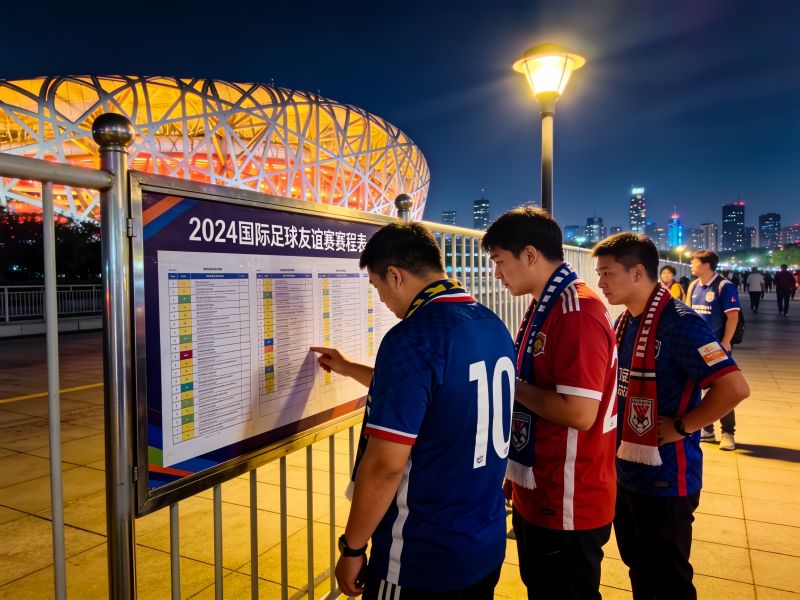
The strongest way to use the National Games Football Schedule is to create a flexible personal version. Mark the fixtures involving the host nation, add potential knockout matches, and leave space for changes instead of filling every hour with fixed plans. Fans travelling with children may prefer afternoon games and shorter transfers;supporters following a particular player may choose a less prominent group match because it offers a closer view and a calmer crowd. The schedule also reveals the tournament’s emotional shape. Rival teams placed in the same group can produce an early high-pressure contest。
while a final group match may become decisive for qualification. Checking updates once in the morning and again before leaving for the stadium is a small habit with practical value. A well-used National Games Football Schedule does not remove the surprises that make tournament football compelling, but it prevents avoidable confusion and leaves more attention for the match itself.