
Chibo isn't just another snack—it's a cultural phenomenon that has taken Indonesian streets by storm. Walk through any neighborhood in Jakarta or Bandung, and you'll likely spot a Chibo stall, its bright signage and the unmistakable aroma of grilled chicken skin drawing a crowd. The name itself is a playful twist on 'cibo,' Italian for food, but the product is deeply local: a chewy, savory treat made from chicken skin。often seasoned with a blend of spices and grilled to perfection. I first encountered Chibo during a late-night food hunt in Yogyakarta. The stall was modest, but the line stretched down the block. After one bite, I understood why.What makes Chibo so compelling?For starters, it's affordable—most skewers cost between IDR 5,000 and 10,000, making it accessible to students and office workers alike. But price alone doesn't explain the loyalty. The texture is key: crispy on the outside, tender inside, with a smoky char from the grill. Vendors often offer variations, from original salt-and-pepper to spicy balado or sweet soy sauce. A friend who runs a Chibo franchise in Surabaya told me that consistency is the secret. 'We marinate the skin for hours and never rush the grilling。
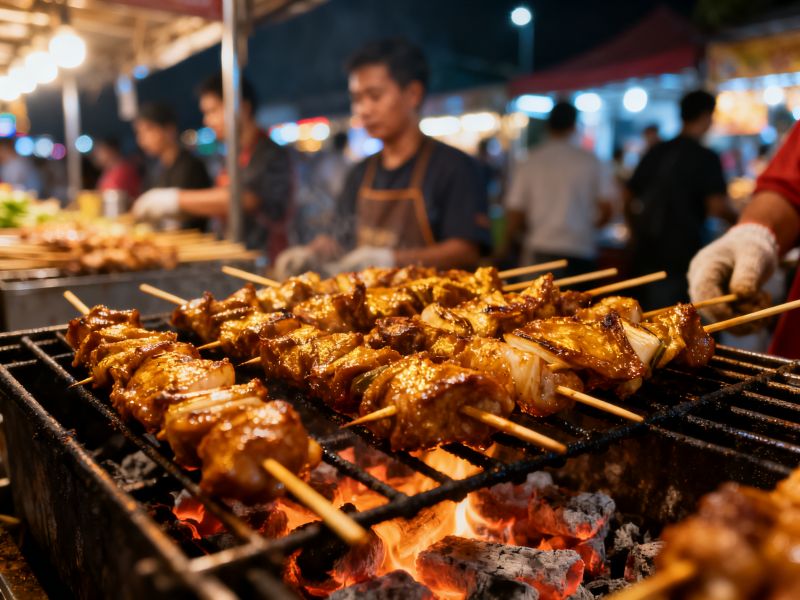
' he said. That attention to detail turns a simple ingredient into something addictive.Chibo's rise mirrors a broader trend in Indonesian food culture: the elevation of humble ingredients. Chicken skin was once discarded or used as a cheap topping, but Chibo has turned it into a star. Social media has amplified this shift. Instagram and TikTok are flooded with posts of Chibo skewers, often with captions like 'the perfect companion for rainy days.' The visual appeal—golden-brown skewers glistening with sauce—is undeniable. Yet, there's a risk of overhype. I've tasted some Chibo that were soggy or overcooked。a reminder that not all vendors maintain quality. The best ones, however, are worth seeking out.From a nutritional standpoint, Chibo is not health food—it's high in fat and calories. But moderation is everything. For many, it's a guilty pleasure, a treat to enjoy occasionally. The business side is equally interesting. Setting up a Chibo stall requires minimal capital, and the profit margins are attractive. This has encouraged micro-entrepreneurs。especially in smaller cities. During a visit to Malang, I met a young couple who quit their office jobs to run a Chibo cart. They now employ three part-time helpers and are saving to open a second location. Stories like this illustrate how a simple food item can drive economic activity.Looking ahead, Chibo faces challenges: rising chicken prices, competition from similar snacks, and the need to innovate. Some vendors are experimenting with flavors like rendang or cheese。while others focus on packaging for delivery. The core appeal remains the same—a delicious, affordable treat that brings people together. As a food enthusiast, I hope Chibo retains its street-food charm even as it grows. After all, authenticity is what made it a hit in the first place. Whether you're a local or a tourist, trying Chibo is a must—just be prepared to queue.